At Predator Nutrition, we are committed to helping you achieve your health and fitness goals. For many people, this journey begins with understanding a fundamental nutrient: protein.
Protein is a crucial macronutrient that plays a central role in the body and is particularly important for fitness, as it contributes to muscle growth and the maintenance of normal bone health.
Protein powders are a convenient and efficient way to meet your daily protein needs, whether you're recovering from a tough workout, rushing out the door, or simply need a high-protein boost between meals. Ready to dive deeper? This is our ultimate guide to protein powder.
Shop Protein PowdersContents:
- Understanding Protein: The Basics
- Types of Protein Powder: Finding Your Match
- Benefits of Using Protein Powder
- When to Take Protein Powder
- Common Protein Questions Answered

Understanding Protein: The Basics
Before we talk about shakes, let's talk about the nutrient itself.
What is protein?
Think of protein as the ultimate building block. Every cell in your body uses protein for structure and function, as well as for building and repairing body tissues. Protein is a macronutrient made up of smaller compounds called amino acids, which are often referred to as the body's construction materials.
Protein's Role in Fitness
For active individuals, increasing your daily protein intake is vital as it contributes to:
Muscle Growth: Protein contributes to growth in muscle mass, especially when combined with resistance exercise.
Muscle Maintenance: For active individuals or those on a reduced-calorie diet, protein plays a crucial role in maintaining muscle mass.
Skeletal Health: Protein contributes to the maintenance of normal bones.
How Much Protein Do I Need?
The right amount is highly individual and depends on your activity level, age, and goals. As a general starting point, active individuals often aim for a higher intake to support muscle maintenance and growth.
Read our detailed guide to find out the right amount for you: How much protein do I need?
Types of Protein Powder: Finding Your Match
The world of protein powder can seem extensive, but it can be broken down into a few main types, each with a different profile.
| Protein Type | Source | Key Feature | Best For |
|---|---|---|---|
| Whey Concentrate | Dairy | Good value, great flavour, well-rounded profile. | Beginners, budget-conscious users, and general daily use. |
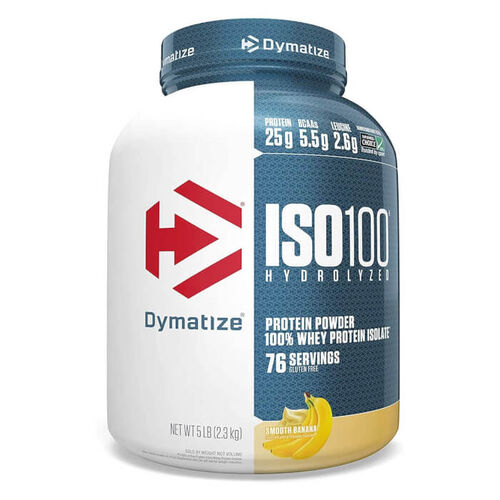
| Whey Isolate | Dairy | Higher protein content, lower in fat, carbs, and often lactose. | Dieters, those sensitive to lactose, post-workout purity. |
| Casein | Dairy | Slower-digesting protein. | Before bed or long periods without food. |
| Plant-Based | Pea, Soy, Hemp, Rice | Dairy-free, vegan-friendly. | Vegans, vegetarians, and those avoiding dairy. |
| Beef Protein | Beef | Dairy-free animal protein source, complete amino acid profile, often processed into an isolate. | Individuals avoiding dairy or seeking an alternative to milk-based proteins. |
Learn more about whey protein: Our complete guide to whey protein
Shop Protein PowdersBenefits of Using Protein Powder
When used alongside a balanced diet and regular exercise, protein powder is a highly effective tool to help you meet your nutritional requirements.
Supports Muscle Goals: By helping you achieve a high daily protein intake, protein powder helps to ensure that protein contributes to growth in muscle mass.
Aids Bone Structure: It contributes to overall skeletal health, supporting the maintenance of normal bones.
Convenient Fuel: It is incredibly easy to consume, providing a quick, measured protein serving without needing preparation time or refrigeration (before mixing).
Assists with Weight Management: Protein is more satiating (filling) than fat or carbohydrates. Including protein shakes in your diet can help promote a feeling of fullness, which can support reduced calorie intake - an essential factor in managing weight.
When to Take Protein Powder
When it comes to taking protein powder, consistency is more important than timing. Your daily total protein intake is the most critical factor. However, here are the most common and effective timings:
Post-Workout: This is the classic timing. A protein shake after training is highly convenient and allows you to quickly get protein to your body to support the maintenance and growth of muscle mass.
Between Meals: If you have long gaps between your main meals, a shake can be a perfect way to maintain consistent protein levels.
Before Bed: Casein protein, due to its slower-digesting nature, is popular before bed to provide a prolonged release of amino acids overnight.
Should you be drinking a shake while training? Find out in our blog: Protein Shakes: Before or After a Workout? | A Complete Guide

How to Use Protein Powder
Protein powder is incredibly versatile - it's not just for shakers!
The Classic Shake: Mix 1 scoop with water, milk, or a dairy alternative. Using a liquid that suits your dietary needs is the most efficient way to consume it.
Smoothies: Blend with ice, fruit (like banana or berries), and a handful of spinach for a nutrient-dense meal or snack.
Baking & Cooking: Stir unflavoured (or complementary flavoured) protein into porridge, pancake mix, or even use it in baking recipes to boost the protein content of your favourite treats.
Common Protein Questions Answered
Does Protein Powder Make You Gain Weight?
Answer: Weight gain or loss is determined by your overall calorie balance. Protein powder is a food source that contains calories. If you consume more calories than your body uses - whether from protein powder, chicken, or crisps - you will gain weight.
Get the full breakdown: Does Protein Powder Make You Gain Weight?
How Do I Mix Protein Powder?
The most common methods are:
- Shaker Bottle: The quickest way. Add liquid first, then powder, and shake vigorously.
- Blender: Ideal for adding fruit, vegetables, or other supplements to create a smoothie.
- Liquid Choice: Water is the lowest-calorie option. Milk or a milk alternative will add creaminess, taste, and extra calories/protein.
How Should I Store My Protein Powder?
Protein powder must be stored correctly to maintain its quality and freshness. Always keep it sealed tightly in a cool, dry place away from direct sunlight and humidity.
Follow our advice to keep your supplements in perfect condition: How to Store Protein Powder | Does Protein Powder Expire?
Predator Nutrition's Top Recommendations
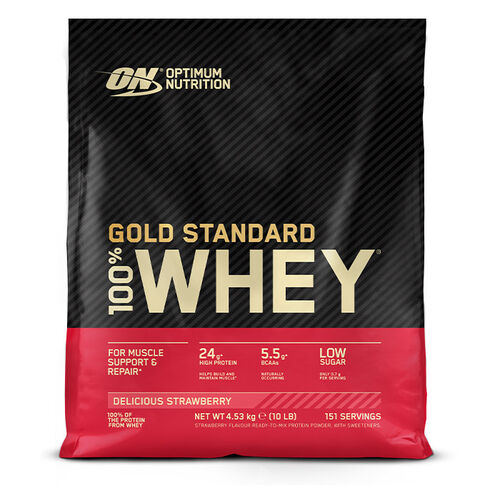
Choosing your first protein powder can be overwhelming, so we recommend starting with a high-quality Whey Concentrate. They mix well, taste great, and provide excellent support for your fitness goals.
When you're ready to select a product, look for brands that focus on quality and testing. We proudly stock products that meet our high standards.
Need help narrowing down the choices? See our current favourites and best sellers: Best Protein Powders UK 2025: Expert Review & Buyer's Guide

Your Fitness Journey Starts Now
Protein powder is a simple, convenient, and effective way to ensure your body has the materials it needs to support muscle growth, maintenance, and bone health.
At Predator Nutrition, we are here to support you at every stage. We're not just here to sell you supplements; we're here to provide the expertise and tools necessary to help you achieve your best self.
If you have any further questions about your fitness journey, reach out to our expert team for personalised guidance!
Shop Protein PowdersImportant Disclaimer: The information provided in this guide is for educational purposes only. It is not intended as a substitute for professional medical advice, diagnosis, or treatment. You should always consult a qualified healthcare professional before starting any new diet, exercise, or supplement regimen, especially if you have any pre-existing medical conditions. Predator Nutrition products are food supplements and are not intended to treat, prevent, or cure any disease or medical condition.